
The Illusion of Guaranteed Wins
One of the most pervasive myths about casino gambling is the belief that players can guarantee wins through strategic play. This misconception often leads to the idea that if one follows specific systems or plays certain games, their chances of winning significantly increase. In reality, all casino games are designed with a house edge, meaning the odds are in favor of the casino over the long run. This fundamental principle of gambling ensures that while players may experience occasional wins, they cannot rely on strategies to secure consistent profit, especially when considering options like $10 neosurf deposit casino that promise easy wins. The allure of strategies such as card counting in blackjack or betting systems in roulette can further fuel this myth.
While card counting can give a skilled player a slight advantage, casinos are well aware of such tactics and have implemented measures to counteract them, such as shuffling more frequently or employing more decks. Therefore, players might feel they are equipped to win, but the underlying randomness and house advantage remain constant barriers. It is crucial for players to understand that gambling is ultimately about chance, and while strategies may enhance the experience, they cannot eliminate the inherent risk involved.
The thrill of gambling often leads to emotional investments that cloud judgment. Players may convince themselves that they are 'due’ for a win after a losing streak or believe they have figured out the casino’s patterns. However, each spin of a slot machine or shuffle of cards is an independent event, unaffected by previous outcomes. This disconnect between perception and reality is a crucial aspect of gambling that needs to be understood to foster a more realistic approach to gaming.
The Myth of Skill in Games of Chance
Another common myth is the belief that skill plays a significant role in all casino games, which can mislead novice players into thinking they can control the outcome. Games like poker do indeed involve skill; however, many popular games such as slots and roulette are purely based on chance. Skillful techniques can be applied in games that allow for strategic decisions, but the randomness inherent in many games is what makes them unpredictable and exciting. This distinction is vital for players to grasp in order to set realistic expectations about their potential success.
For amateur players, understanding the difference between skill-based games and games of chance can help mitigate misconceptions that lead to poor gambling decisions. While learning about game strategies and odds can enhance the experience and possibly yield better results, the reality remains that luck is a predominant factor in most casino games. Acknowledging this truth can help players develop a more balanced view of gambling and perhaps reduce the likelihood of experiencing significant losses.
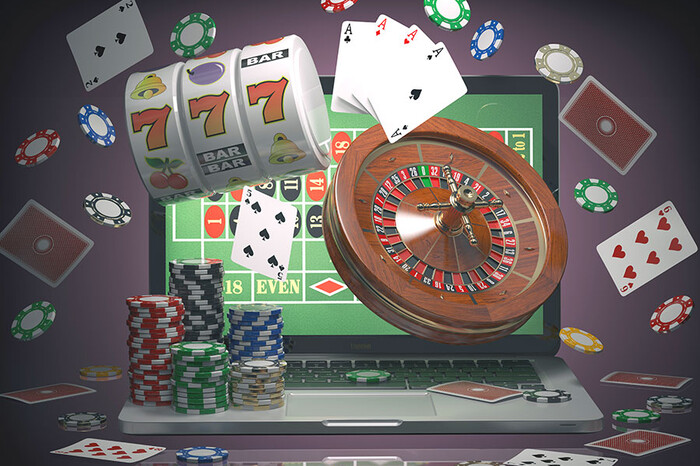
Moreover, the rise of online gambling has further complicated the myth of skill versus chance. Many players feel a false sense of control while playing digital versions of their favorite games, assuming that online platforms offer better odds due to the absence of a live dealer. However, the outcomes in online games are just as randomized as those in physical casinos. This misunderstanding can lead to inflated confidence, prompting players to make larger bets and, ultimately, face greater losses when luck does not favor them.
The Social Stigma of Gambling
Society often perpetuates a stigma around gambling, framing it as a vice or a harmful addiction. While it’s essential to acknowledge that gambling can lead to problematic behaviors for some individuals, painting all gamblers with the same brush is misleading and unfair. Many people engage in casino gaming responsibly, viewing it as a form of entertainment rather than a means to financial gain. Dissecting this stigma requires an open conversation about responsible gambling and the distinctions between casual players and those struggling with addiction.
In many cultures, the narrative surrounding gambling focuses predominantly on its negative aspects, often overshadowing the enjoyment and social interaction it provides. Casinos often serve as venues for socialization, celebration, and recreation, attracting individuals who seek a night out rather than the thrill of losing money. By focusing solely on the risks associated with gambling, society risks alienating those who participate in gaming for enjoyment and community connection.
Educational initiatives aimed at promoting responsible gambling practices can help dispel the stigma. By encouraging open discussions and providing resources for those who may need help, the gambling community can foster a more balanced view of the activity. Recognizing that gambling can be a responsible pastime for many, while remaining aware of the risks, can lead to healthier perspectives and practices that benefit both players and the wider community.
The Myth of Winning Streaks
The narrative of winning streaks is another popular myth that can mislead players into believing they have control over luck. Stories of gamblers hitting jackpots or going on remarkable winning sprees circulate widely, creating false expectations for new players. Such narratives often overshadow the reality that casinos operate on probabilities and statistics rather than mere luck. Players must understand that the chance of repeating a winning streak is exceptionally low, yet the allure of these success stories keeps people returning to the tables with the hope of experiencing similar fortunes.

Players frequently believe that their past winnings will influence future outcomes, a phenomenon known as the gambler’s fallacy. This belief can encourage risky behavior, such as increasing bets after a series of wins in hopes of continuing the trend. However, each outcome in a casino game is independent, meaning that past results have no bearing on future ones. Recognizing this pattern can help players avoid the pitfalls of following misguided beliefs that can lead to substantial financial losses.
Moreover, casinos often capitalize on the myth of winning streaks through marketing and promotions. By showcasing big winners prominently, they generate an environment where players feel that success is not just possible but likely. This creates a cycle that entices more players to gamble, fostering a false sense of security that winning is commonplace. Understanding this marketing tactic can empower players to think critically about their gambling habits and approach gaming with a more realistic mindset.
Understanding Responsible Gambling Practices
For those looking to engage in casino gambling while minimizing risks, understanding responsible gambling practices is vital. Setting personal limits on time and money spent is one effective strategy to keep gambling in perspective. Recognizing the entertainment value of casino gaming, rather than viewing it as an income source, can also promote healthier habits. Players who establish boundaries are less likely to chase losses or become overly invested emotionally, leading to a more enjoyable experience overall.
In addition, many casinos offer resources for responsible gambling, such as programs that promote self-exclusion or provide information on seeking help for gambling-related issues. Players should leverage these resources to remain informed and engaged with their gambling habits. Education is crucial in dispelling the myths surrounding gambling and fostering a culture that prioritizes responsibility and awareness, ensuring that individuals can enjoy the thrill of gaming without compromising their well-being.
Ultimately, embracing a balanced view of gambling can lead to more enjoyable experiences. By understanding the realities of casino gambling and the myths that often cloud judgment, players can cultivate a healthier relationship with the activity. This awareness allows individuals to enjoy the excitement of gaming while remaining mindful of potential risks and the importance of responsible play.